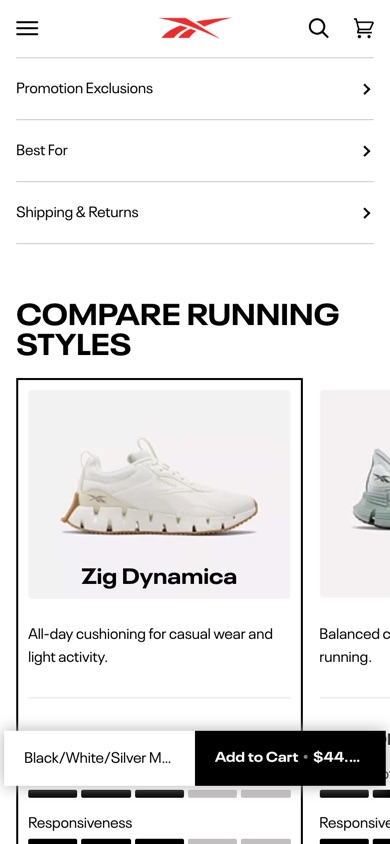
 Before
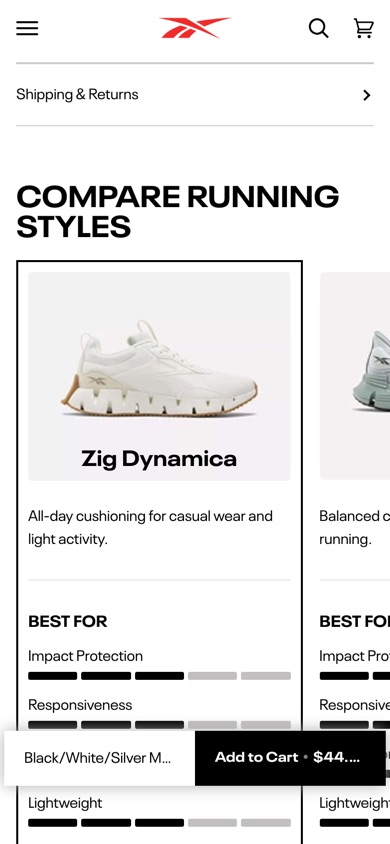 Tested
ReebokProduct page
'Best For' section removed
What changed Removes the 'Best For' section from the product details list.
Seen 7 Aug to 4 Oct 2026
Shipped
ABSee / Experimentation intelligence
GuideExperimentation intelligence is evidence about what the market has tested and kept, used before you run your own experiment, so the next test slot goes to a better-backed idea.
Updated October 2026 · Source: ABSee record · Methodology →
Every experiment starts with a hypothesis, and a good hypothesis starts with “because we saw…”. Most teams can only fill that clause with their own analytics: where shoppers drop, what they click, what they ignore. That tells you where the problem is. It says little about which fix is worth a test.
Experimentation intelligenceA record of real experiments other brands ran on their live sites: the page before, the version tested, when it ran, and what the brand did next.
Read before you test, it tells you whether an idea has been tried, how others built it, and whether they kept it. ABSee is experimentation intelligence for ecommerce: a record of real experiments run by 1,150+ brands, with the page before, the version tested, and whether it was kept.
Experimentation intelligence sits beside the tools you already use. Each answers a different question.
Splits your traffic, serves the versions and measures the result.
Analytics and session replay show where your own shoppers struggle.
Expert review and usability studies describe what tends to work.
What brands actually put in front of visitors as a test, and what they kept. It comes before the platform, when you are choosing what to put in it.
Competitive intelligence usually tracks prices, promotions and ads. Experimentation intelligence tracks experiments: two versions of the same page, served at the same time.
A hypothesis that cites real experiments on similar pages is easier to defend and easier to brief.
Test slots and engineering time are scarce. Evidence that an idea has been tried, and kept, by brands like yours helps decide which idea goes first.
If several brands tried an idea and rolled it back, that is worth knowing before you build it. It may still be right for you, but you go in with your eyes open.
Seeing how others built the same idea, where they placed it and on which device, gives a design team more than one starting point.
Each record holds the page before, the version tested, the dates it was seen, and what the brand did next. The chip is that decision: Shipped means the tested version became the page; Rolled back means the original stayed.
BeforeTestedWhat changed Removes the 'Best For' section from the product details list.
Seen 7 Aug to 4 Oct 2026
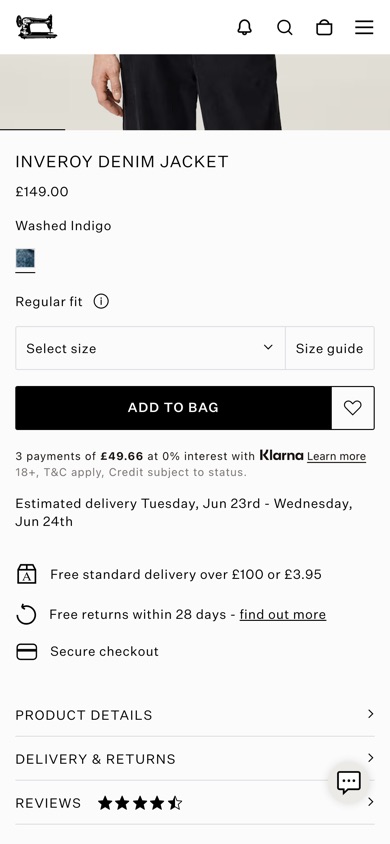 Before
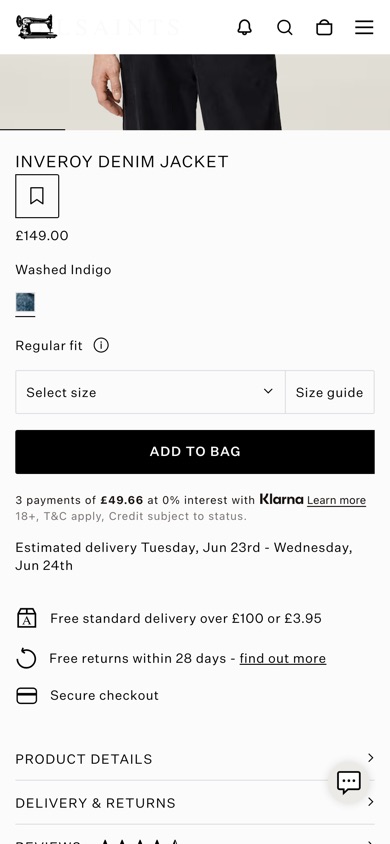 Tested
What changed Moves the wishlist button from beside Add to bag to under the product name, as a bookmark.
Seen 19 Jun to 17 Jul 2026
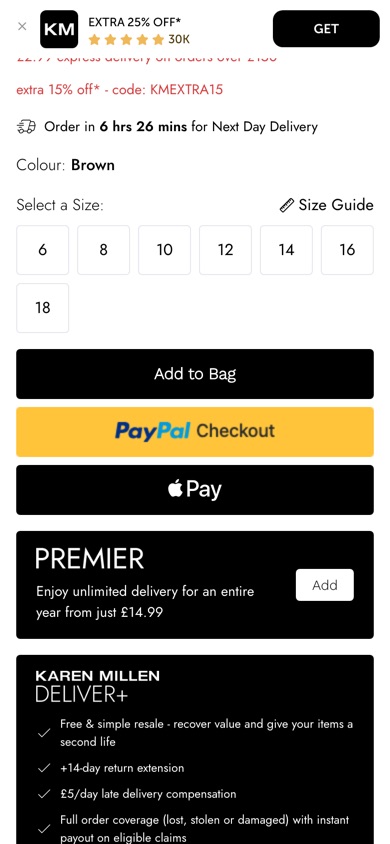 Before
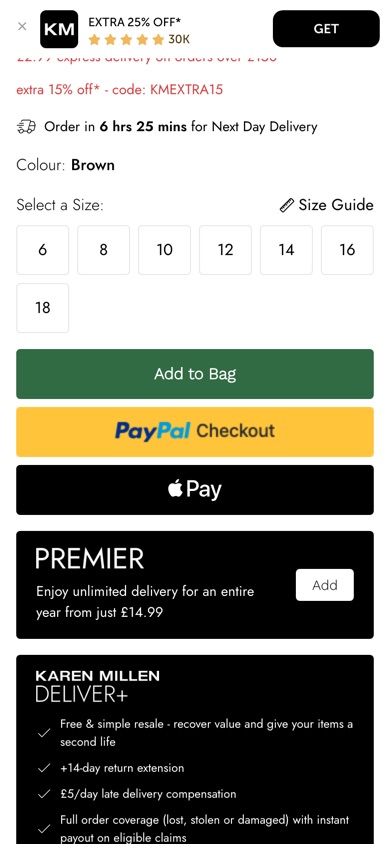 Tested
What changed Turns the Add to Bag button from black to green.
Seen 27 Aug to 27 Aug 2026
It brings the evidence; your team owns the diagnosis and the decision. The methodology sets out how outcomes are read and the known limits.
Another brand's experiment was decided by its own visitors, prices and brand, and “kept” is that brand's decision, not a measured lift. ABSee never sees a brand's own numbers.
And it does not tell you what to test. Treat each experiment as evidence for or against a hypothesis, not as a result to copy.
With ABSee, step two happens inside Claude, ChatGPT or Gemini: connect it once and ask in your own words. See how to connect, or what is in the database.
Find the problem in your own analytics, research and replays, and write the hypothesis.
Ask what the market has tested against that problem, and what was kept or rolled back.
Put that evidence in the “because” clause, and rank the idea against your others.
In your testing platform. Read your result, and keep the evidence next to it for the next decision.
Evidence about what other brands have tested and what they kept, used before you run your own experiment. It sharpens the hypothesis; your own test still decides.
No. An experimentation platform splits your traffic and measures your result. Experimentation intelligence comes before that step: it shows what the market already tried on a similar page.
No. Another brand's result was decided by its own visitors. Experimentation intelligence tells you whether an idea has been tried, how others built it, and what they did next. Only your own experiment tells you what works for your audience.
Product, growth and CRO leads at ecommerce brands, and agency strategists building test roadmaps for clients. Anyone who has to choose which idea gets the next test slot.
What is the evidence for and against urgency messaging on product pages?
Works in Claude, ChatGPT or Gemini once ABSee is connected.
Connect your AI →