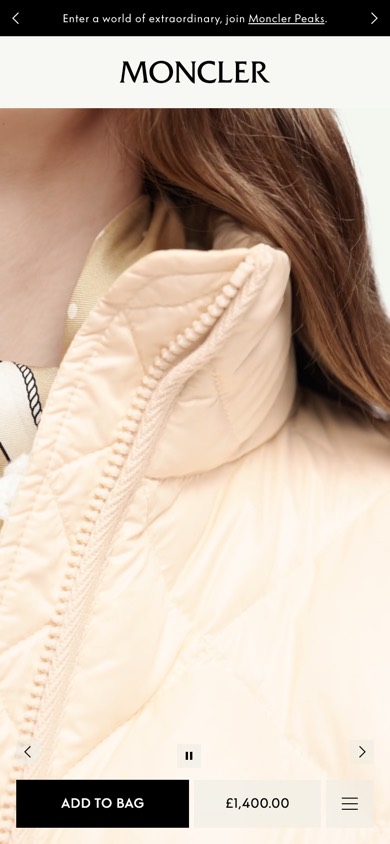
 Before
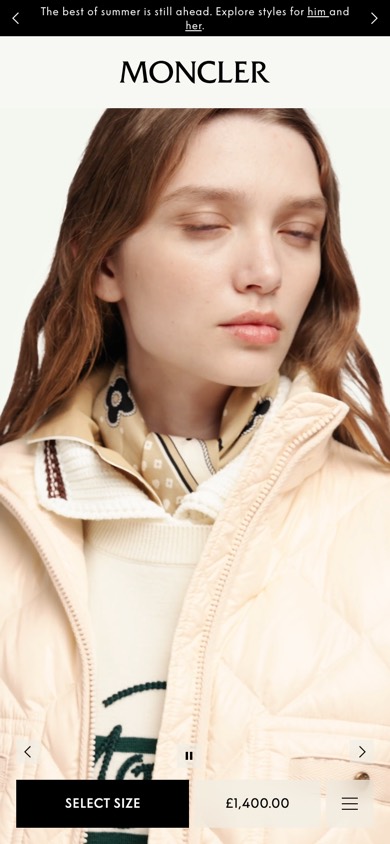 Tested
 MonclerProduct page
Product page size-prompt button
What changed Relabels the purchase button to prompt size selection first.
Seen 3 Aug to 18 Sep 2026
Outcome being confirmed
ABSee / Database
DatabaseYes — ABSee keeps a record of 10,000+ real experiments run by 1,150+ ecommerce brands: the page before, the version tested, when it ran and whether it was kept.
Updated October 2026 · Source: ABSee record · Methodology →
BeforeTestedMonclerProduct pageWhat changed Relabels the purchase button to prompt size selection first.
Seen 3 Aug to 18 Sep 2026
https://mcp.absee.it/mcpCopiedPaste it into your assistant’s connector settings, then sign in to ABSee.
Add one link to the assistant you already use.
Ask in plain words.
Yes, one close match: Timberland, in its mini-cart.
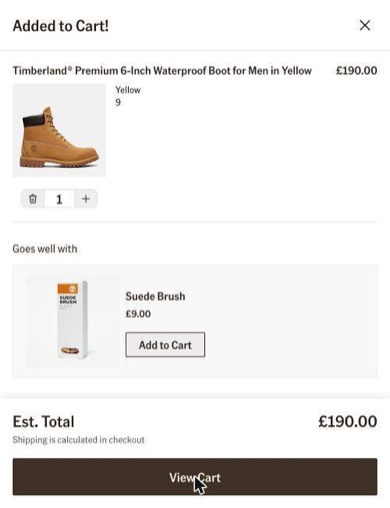 Before
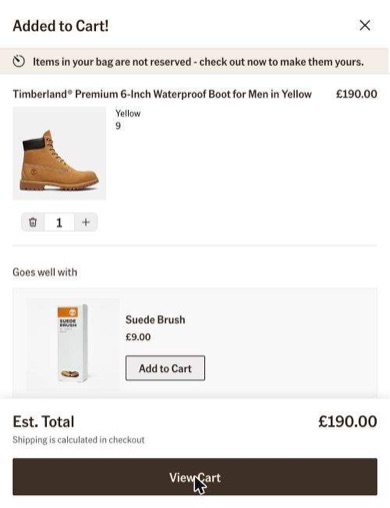 Tested
What changed Adds a line warning that items in the bag are not reserved.
Likely hypothesis If the mini-cart warns that items aren't reserved, then more shoppers will go on to checkout, because they will want to secure what they picked.
Strategic takeaway Explicitly stating that carted items are not reserved leverages the fear of missing out, prompting faster checkout decisions.
Seen 19 May to 4 Oct 2026
A real experiment: what changed, why, and what the brand did next.
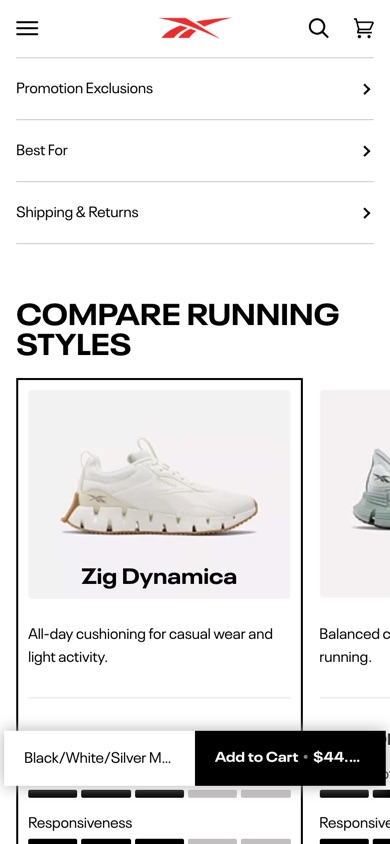
If we remove secondary content from the product page,then more shoppers will add to bag,because there is less to distract them.
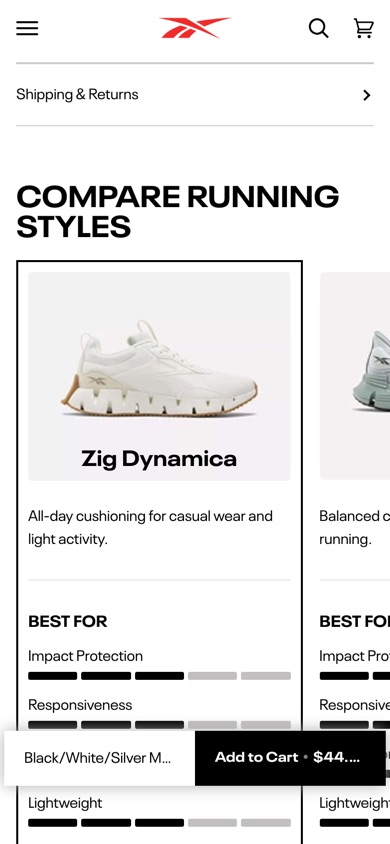
'Best For' section removed
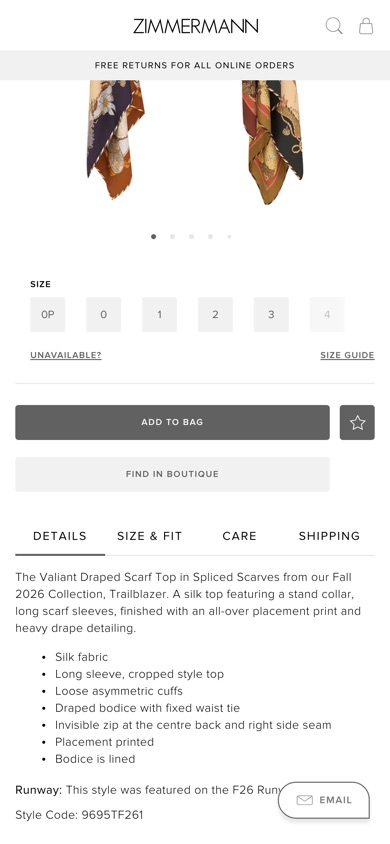
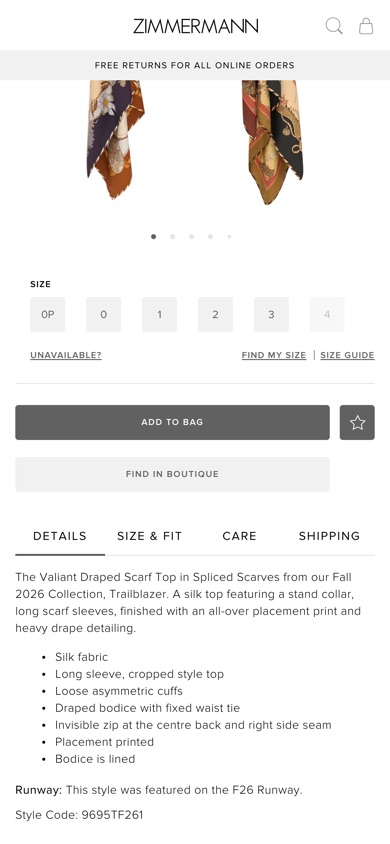
Product page sizing tool removal
Real experiments. Real outcomes. Inside Claude, ChatGPT or Gemini.
State it as if / then / because — and see the evidence for and against.
An illustration of the format, built from public experiments. Your assistant returns the comparable experiments ABSee finds for your own hypothesis.
Updated daily. New experiments are added as they are seen, and running experiments get their outcome once the brand has decided.
ABSee is experimentation intelligence for ecommerce: a record of real experiments run by 1,150+ brands, with the page before, the version tested, and whether it was kept. An experiment here means two versions of the same public page served to ordinary visitors at the same time. A page that simply changes for everyone is not counted.
BeforeTested TimberlandMini-cart
Seen 19 May to 4 Oct 2026
The record covers the home page, category pages, product pages, the cart, checkout and search, plus changes that run across the whole site, such as headers, navigation and banners. Mobile and desktop versions are recorded separately, because brands often test them separately.
Home page experiments, including headers, navigation and banners.
Category and listing page experiments.
Buy box, imagery, price display, size and fit, urgency, social proof.
Cross-sell, free-shipping bars and reassurance.
Reassurance, express pay and coupon fields.
Search results page experiments.
Logged-in areas are never visited, and prices personalised to an account are not recorded. Everything in the record is something any visitor could have been served. Browse A/B test examples with the before and after.
The chip shows what the brand did next: Shipped means the tested version became the page; Rolled back means the original stayed.
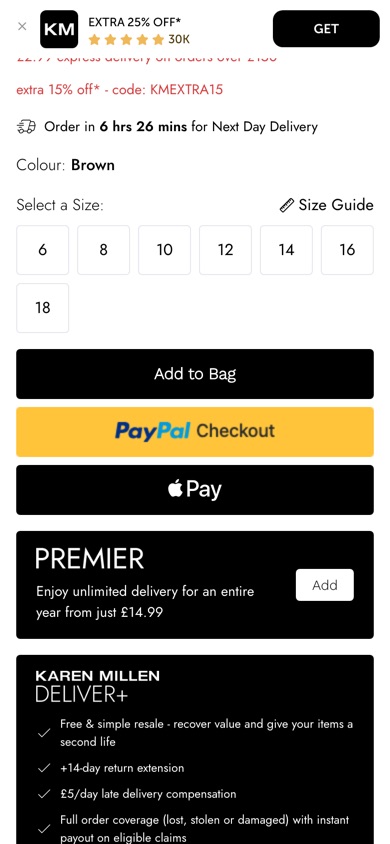 Before
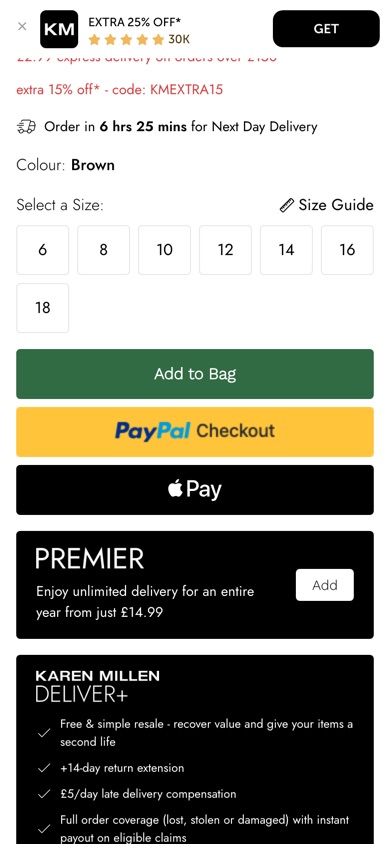 Tested
What changed Turns the Add to Bag button from black to green.
Seen 27 Aug to 27 Aug 2026
 Before
 Tested
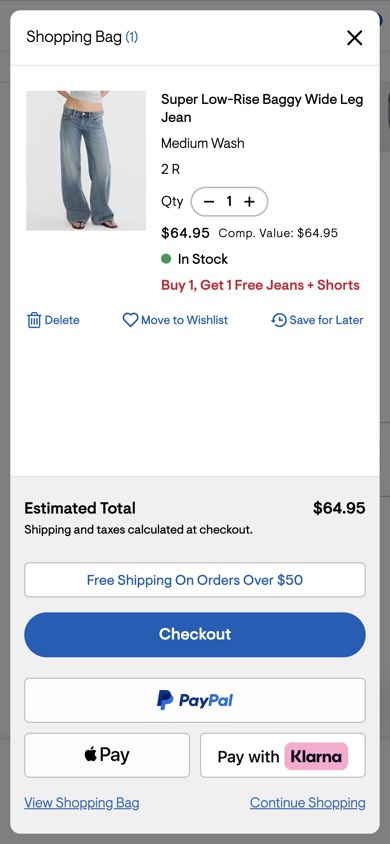
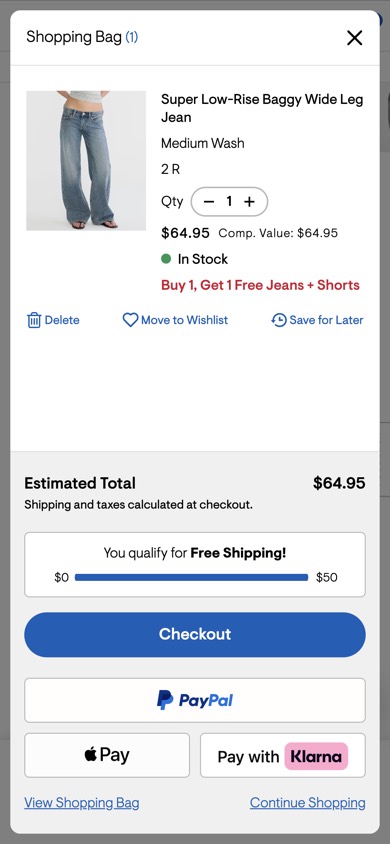
 AéropostaleMini-cart
What changed Adds a progress bar showing how much more to spend for free shipping.
Seen 16 May to 13 Jul 2026
 Before
 Tested
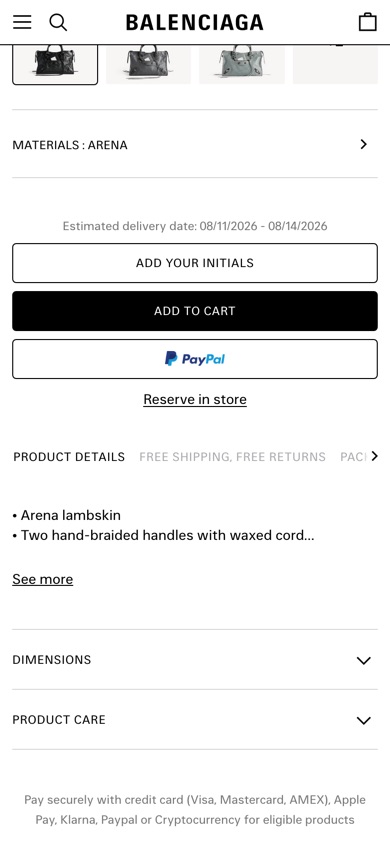
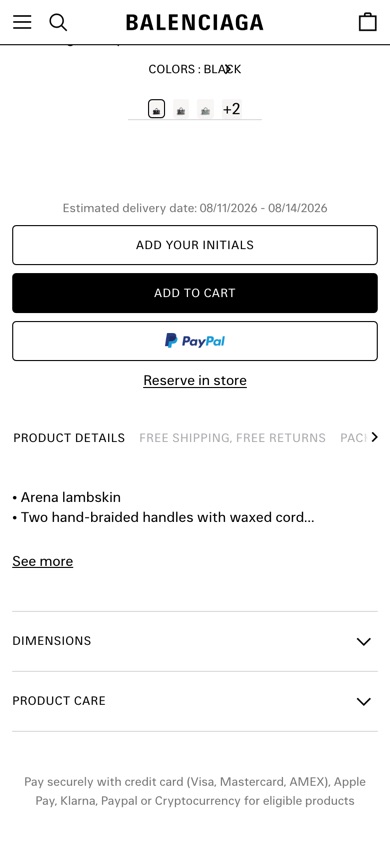
 BalenciagaProduct page
What changed Gathers every colour and material into one row under the product.
Seen 3 Aug to 17 Sep 2026
On the Intelligence plan your assistant files comparable experiments as evidence for, against, or closest match. An illustration of the format, built from public experiments. Your assistant returns the comparable experiments ABSee finds for your own hypothesis.
If we remove secondary content from the product page,then more shoppers will add to bag,because there is less to distract them.
 BeforeTested
What changed Removes the 'Best For' section from the product details list.
Seen 7 Aug to 4 Oct 2026
 BeforeTested
 ZimmermannProduct page
What changed Hides the automated size recommendation tool.
Seen 21 Jul to 5 Aug 2026
The record is built to answer the questions a product, growth or CRO team asks before it spends a test slot. Answers come back as real experiments, each with its before and after, the brand, the page and the dates. An answer can be empty: if nobody in the record has tested an idea, that is what you are told.
Who is testing a sticky add-to-bag right now?
Comes back with experiments with that change, each with a before-and-after thumbnail, the brand, the page and the dates.
Has anyone rolled back a free-shipping progress bar?
Comes back with experiments with that idea and what each brand did next: kept or rolled back.
What's been tested against fit uncertainty on mobile product pages?
Comes back with mobile product-page experiments aimed at size and fit.
Our hypothesis: if we add a low-stock message on product pages, then more shoppers will buy now instead of later, because scarcity prompts a decision. What is the evidence for and against?
Comes back with comparable experiments filed as evidence for, against, or closest match.
What changed in fashion and footwear this week?
Comes back with new experiments in that category from the past week.
Which of these competitors does ABSee cover, and what have they tested on checkout?
Comes back with the names ABSee has experiments for, then their checkout experiments.
Use it inside Claude, ChatGPT or Gemini: connect ABSee and ask in your own words, which takes about a minute (how to connect). Or browse experiments by page and by brand in the ABSee app, and keep the ones you want in your library.
Pattern libraries such as GoodUI collect test results and turn them into reusable patterns. UX benchmarks such as Baymard publish guidelines from large-scale usability research and expert review. Both are useful, and both answer a different question.
| ABSee | Pattern libraries | UX benchmarks | Case-study posts | |
|---|---|---|---|---|
| Built from | Experiments brands served to visitors on their public pages | Test results, turned into reusable patterns | Large-scale usability research and expert review | One team's write-up of one test |
| What you get | The page before, the version tested, the dates and what the brand did next | Patterns to reuse | Guidelines | The story of one test |
| It answers | Who tested this on a page like mine, and did they keep it? | Which pattern might fit here? | What does good look like, by research? | How did that team run that test? |
ABSee does not rate designs or publish guidelines. Teams often use all three together: a guideline or pattern suggests an idea, and the record shows who tested it on a similar page and whether they kept it.
Anyone can connect their assistant at app.absee.it/start to try it. Pricing is set per team after a short demo.
Search real experiments, see before and after screenshots, browse brands and categories, and see patterns across the market.
Adds outcomes (kept or rolled back), evidence for and against an idea, the UX principles behind each pattern, competitor tracking and prioritisation.
ABSee keeps a record of 10,000+ real experiments run by 1,150+ ecommerce brands, recorded from their public pages. Each record has the page before, the version tested and when it ran. Brands do not publish their own numbers, so no outside record can show a measured lift; ABSee shows what each brand did next.
If ABSee covers them, yes. Ask your assistant which of your named competitors are in the record, then ask what they tested. ABSee does not publish its full brand list, so the check is done one name at a time.
It shows which version the brand kept: whether the tested version became the page or the original stayed. That is the brand's decision, not a measured lift. Outcomes are tracked and are part of the Intelligence plan.
1,150+ ecommerce brands, mostly mid-to-large and weighted to fashion and to Europe. The list itself is not published; you can check any brand by name once your assistant is connected.
Who is testing a sticky add-to-bag right now?
Works in Claude, ChatGPT or Gemini once ABSee is connected.
Connect your AI →